

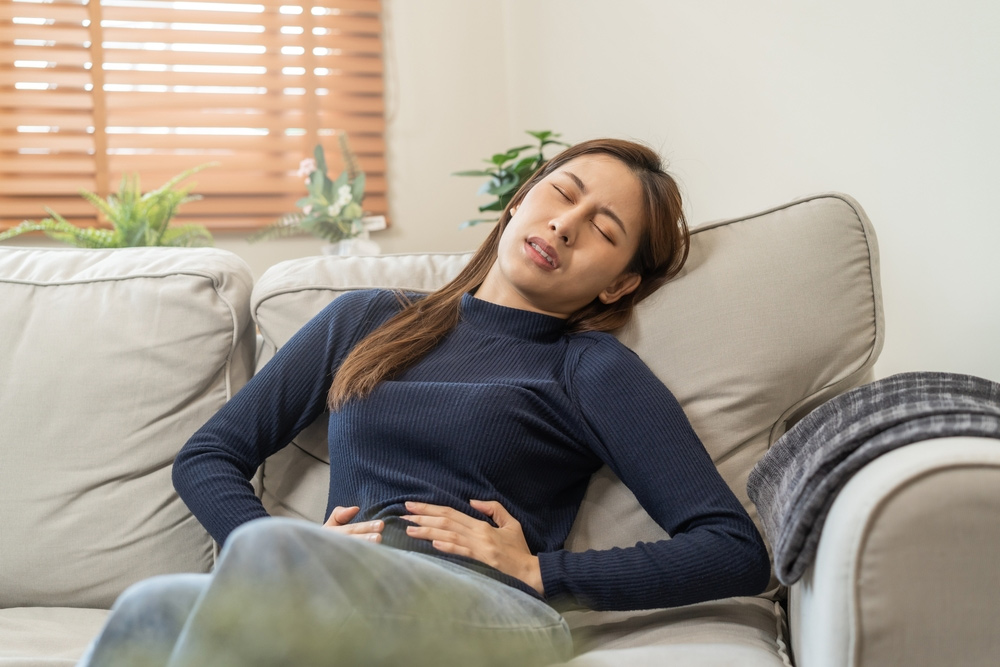
- Menorrhagia: Heavy or prolonged menstrual bleeding.
- Oligomenorrhea: Infrequent menstrual cycles.
- Premenstrual Syndrome (PMS): Emotional and physical symptoms before menstruation.
- Polycystic Ovary Syndrome (PCOS): A hormonal disorder affecting menstrual regularity.
Causes of Menstrual Disorders
Several factors can disrupt a woman’s menstrual cycle, including:
- Hormonal Imbalances: Issues with estrogen and progesterone levels.
- Underlying Medical Conditions: Conditions like thyroid dysfunction or PCOS.
- Stress and Lifestyle Factors: Physical or emotional stress, weight changes, and diet.
- Uterine Abnormalities: Fibroids, polyps, or endometriosis.
- Medications: Certain drugs may alter menstrual cycles.
At Abirami Speciality Clinic, we perform comprehensive evaluations to pinpoint the root cause of the disorder.
Symptoms to Watch For
If you experience any of the following symptoms, it’s crucial to seek medical attention:
- Heavy bleeding requiring frequent pad or tampon changes.
- Periods lasting more than seven days.
- Severe abdominal pain or cramps.
- Irregular or missed periods.
- Spotting between periods.
- Emotional disturbances like anxiety or depression before menstruation.
We emphasize early intervention to prevent complications and restore menstrual health.
Diagnosis and Treatment at Abirami Speciality Clinic
At Abirami Speciality Clinic, we follow a patient-centric approach to diagnosing and managing menstrual disorders.
Diagnostic Process
- Medical History: Detailed discussion of symptoms, medical history, and lifestyle factors.
- Physical Examination: Comprehensive assessment to identify underlying causes.
- Advanced Tests: Hormone tests, ultrasound scans, or laparoscopy if necessary.
Preventing Menstrual Disorders
Prevention plays a key role in maintaining menstrual health. Here are some tips:
- Maintain a healthy weight.
- Eat a balanced diet rich in iron, calcium, and vitamins.
- Stay hydrated and avoid excessive caffeine or alcohol.
- Exercise regularly but avoid over-exertion.
- Practice stress-reducing activities like yoga or mindfulness.
Regular check-ups at Abirami Speciality Clinic help in early detection and prevention of menstrual irregularities.
Empowering Women’s Health in S. Kolathur, Chennai
At Abirami Speciality Clinic, we believe in empowering women to take charge of their health. Whether you’re
Why Choose Abirami Speciality Clinic for Menstrual Disorders?
- Expertise of Dr. Abiramasundari: With years of experience, Dr. Abiramasundari is recognized as one of the best gynecologists in S. Kolathur, Chennai, known for her compassionate care and advanced medical expertise.
- State-of-the-Art Facilities: Our clinic is equipped with cutting-edge diagnostic and treatment tools to ensure accurate and effective care.
- Patient-Centric Approach: Every treatment plan is customized to the individual needs of the patient, prioritizing their comfort and well-being.
- Holistic Care: We focus not only on treating the condition but also on promoting overall reproductive health.
Menstrual Disorders FAQs
Common menstrual disorders include irregular periods, heavy menstrual bleeding (menorrhagia), painful periods (dysmenorrhea), absence of periods (amenorrhea), and premenstrual syndrome (PMS). These conditions can be caused by hormonal imbalances, stress, polycystic ovary syndrome (PCOS), or other underlying health issues.
Irregular periods can be caused by several factors including hormonal imbalances, stress, excessive exercise, weight changes, polycystic ovary syndrome (PCOS), thyroid issues, or certain medications. A healthcare provider can help identify the underlying cause and recommend appropriate treatment.
Treatment for heavy menstrual bleeding depends on the underlying cause. Options include hormonal therapies (such as birth control pills or intrauterine devices), medications to reduce bleeding, and surgical interventions if necessary. Lifestyle changes, such as managing stress and maintaining a healthy weight, may also help manage symptoms.
Painful periods (dysmenorrhea) are often caused by contractions in the uterus that are triggered by hormone-like substances called prostaglandins. Other conditions, such as endometriosis, fibroids, or pelvic inflammatory disease (PID), can also contribute to painful periods. Over-the-counter pain relievers, hormonal therapies, and lifestyle modifications can help alleviate discomfort.
Missing a period can be due to various factors including pregnancy, stress, significant weight changes, or hormonal imbalances. If you miss more than one period or experience other unusual symptoms, it’s important to consult a healthcare provider to determine the cause and receive appropriate treatment.
Managing PMS involves lifestyle changes, such as regular exercise, a balanced diet, and stress reduction techniques like meditation or yoga. Over-the-counter pain relievers, such as ibuprofen, can help alleviate physical symptoms, while medications such as hormonal birth control can regulate mood swings and other emotional symptoms.
If you experience irregular periods, severe pain, heavy bleeding, or other abnormal symptoms, it’s important to see a healthcare provider. Also, if you miss multiple periods, experience symptoms of menopause before age 40, or suspect underlying conditions like PCOS or fibroids, seeking medical advice is recommended.