

Comprehensive Cancer Screening Services for Women
At Abirami Specialty Clinic, we offer a range of cancer screening services tailored to women’s unique needs. Our goal is to ensure early detection and provide timely medical intervention to improve outcomes.
1. Breast Cancer Screening
Who Needs It: Women aged 40 and above or those with a family history of breast cancer.
Tests Offered:
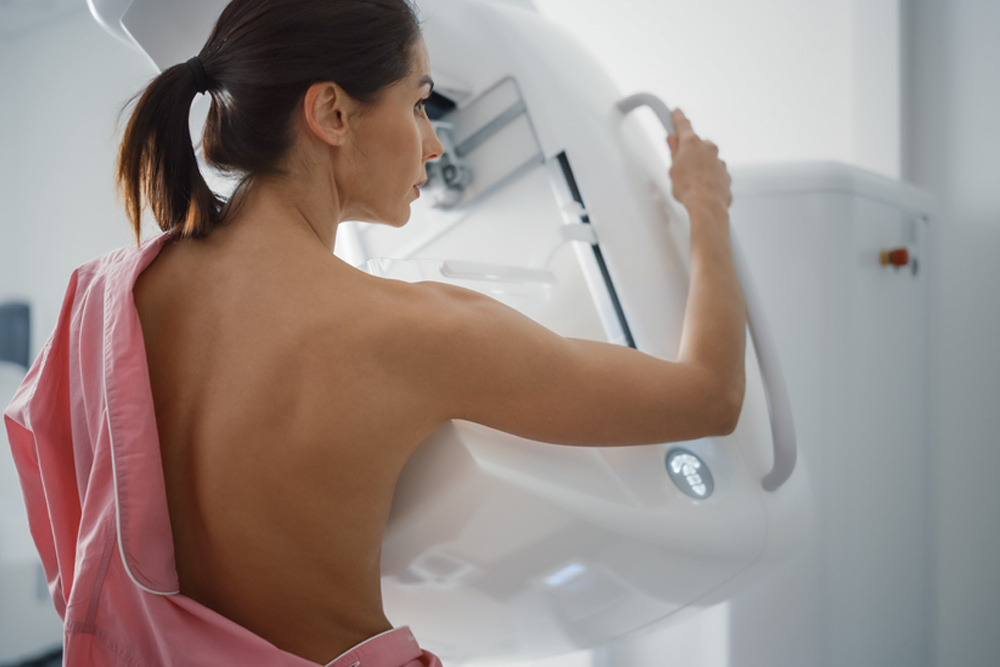
- Mammograms: Digital mammography for detecting abnormalities.
- Clinical Breast Exams (CBE): Performed by experienced specialists.
- Breast Self-Examination Guidance: Educating women on identifying warning signs.
2. Cervical Cancer Screening
Who Needs It: Women aged 21 to 65 years.
Tests Offered:
- Pap Smear Test: Detects precancerous changes in the cervix.
- HPV Testing: Identifies high-risk strains of the human papillomavirus associated with cervical cancer.
3. Ovarian Cancer Screening
Who Needs It: Women with a family history of ovarian cancer or genetic predispositions.
Tests Offered:
- Pelvic Ultrasound: Evaluates ovarian and uterine health.
- CA-125 Blood Test: Measures levels of a protein often elevated in ovarian cancer.
4. Endometrial Cancer Screening
Who Needs It: Women post-menopause or those with abnormal uterine bleeding.
Tests Offered:
- Endometrial Biopsy: Checks for abnormal cells in the uterine lining.
- Transvaginal Ultrasound: Assesses uterine abnormalities.
Signs and Symptoms to Watch Out For
While screenings are the best defense, recognizing symptoms can also lead to early intervention. If you notice any of the following, consult Abirami Specialty Clinic promptly:
- Breast Cancer: Lumps, unusual nipple discharge, or changes in breast shape.
- Cervical Cancer: Abnormal vaginal bleeding, pelvic pain, or pain during intercourse.
- Ovarian Cancer: Persistent bloating, abdominal pain, or frequent urination.
- Endometrial Cancer: Post-menopausal bleeding or irregular periods.
Why Choose Abirami Specialty Clinic for Cancer Screening?
1. Expert Care by Dr. Abiramasundari: With years of expertise in women's health, Dr. Abiramasundari provides personalized care and guidance for all your cancer screening needs.
2. State-of-the-Art Facilities: Our clinic is equipped with advanced diagnostic tools for accurate and reliable results.
3. Holistic Approach: We focus not only on screening but also on educating women about lifestyle changes and preventive measures to reduce cancer risk.
4. Convenient Location: Located in the heart of S. Kolathur, Chennai, Abirami Specialty Clinic is easily accessible for women seeking quality healthcare.
When Should Women Begin Cancer Screening?
The recommended screening timeline depends on age and risk factors. Here are general guidelines:
- Breast Cancer: Mammograms every 1-2 years starting at age 40.
- Cervical Cancer: Pap smears every 3 years from age 21; Pap and HPV co-testing every 5 years from age 30.
- Ovarian Cancer: For high-risk women, screenings may begin earlier as advised by the doctor.
- Endometrial Cancer: Post-menopausal women or those with symptoms should undergo regular checks.
Reducing Cancer Risk Through Lifestyle Choices
In addition to screenings, adopting a healthy lifestyle can lower your risk of developing cancer. Dr. Abiramasundari emphasizes the following preventive measures:
- Maintain a Healthy Diet: Incorporate fruits, vegetables, and whole grains.
- Stay Physically Active: Exercise regularly to maintain a healthy weight.
- Avoid Tobacco and Alcohol: Both increase the risk of various cancers.
- Get Vaccinated: The HPV vaccine protects against strains causing cervical cancer.
Schedule Your Cancer Screening Today
At Abirami Specialty Clinic in S. Kolathur, Chennai, we are recognized for providing the best cancer screening for women in the region. Whether you're looking for breast cancer screening, cervical cancer screening, or general women's health checkups, our clinic offers comprehensive and reliable care.
Take charge of your health today by scheduling a cancer screening appointment at Abirami Specialty Clinic, S. Kolathur, Chennai. Early detection saves lives, and we are here to support you every step of the way.
Contact us to book your appointment or to learn more about our services. Let us be your partner in ensuring a healthy, cancer-free life.

Cancer Screening for Women FAQs
Cancer screening for women refers to regular tests and exams to detect cancer before symptoms appear. Early detection increases the chances of successful treatment and can sometimes prevent the cancer from developing. Common screenings include mammograms, Pap smears, and colonoscopies.
Women should be screened for various cancers, including breast cancer (via mammograms), cervical cancer (via Pap smears or HPV tests), ovarian cancer (through pelvic exams and ultrasounds), and colorectal cancer (via colonoscopies). Your doctor will recommend screenings based on age, risk factors, and family history.
Women should start regular screenings in their 20s or 30s, depending on the type of cancer. For example, cervical cancer screening with Pap smears typically begins at age 21. Mammograms for breast cancer should generally begin at age 40. Your healthcare provider can guide the appropriate age and frequency based on personal risk factors.
The frequency of cancer screenings varies depending on the type of cancer and individual risk factors. For example, mammograms may be done annually or every two years after age 40, while Pap smears for cervical cancer are typically done every three years from age 21 to 65. Your healthcare provider can tailor the screening schedule based on your health history.
Factors that influence cancer screening recommendations include age, family history of cancer, personal health history, lifestyle factors (such as smoking and alcohol use), and previous screenings. High-risk individuals may need earlier or more frequent screenings than the general population.
If your cancer screening results are abnormal, it does not necessarily mean you have cancer. Further testing, such as biopsies, ultrasounds, or additional imaging, may be required to determine the cause. It's important to follow up with your healthcare provider to discuss the next steps.